Home Insurance for High Risk Homes California: Understanding Your Options
Finding Home Insurance for High Risk Homes California homeowners can rely on has become increasingly challenging. Wildfire exposure, hillside locations, brush, rebuilding costs, property characteristics, and changing insurance company guidelines can all affect whether a home qualifies for traditional coverage.
For some homeowners, the challenge begins unexpectedly. A renewal notice arrives with a significant change. A longtime insurance company decides not to renew the property. A homeowner purchases a new home only to discover that finding insurance is much more difficult than expected.
Being told that your home is considered “high risk” can be frustrating, particularly when you have maintained your property carefully and may never have filed a claim.
However, high risk does not necessarily mean uninsurable.
At B.W. Baker Insurance, we help California homeowners understand their properties, their risks, and the insurance options that may be available. In today’s changing California insurance market, finding the right protection often begins with understanding why a home is considered high risk in the first place.
What Makes a California Home High Risk to Insure?
There is no single characteristic that makes every property difficult to insure.
Insurance companies evaluate numerous factors when deciding whether a home fits within their underwriting guidelines. Those factors can include location, wildfire exposure, surrounding vegetation, construction type, roof condition, claims history, replacement cost, access for emergency vehicles, and other characteristics of the property.
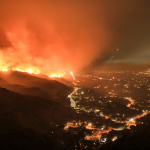
Wildfire has understandably become one of the most visible concerns.
Homes near hillsides, canyons, open space, brush, and wildland areas may receive additional underwriting attention. Homeowners living in these areas often face many of the same challenges discussed in our guide to insurance for homes in wildfire zones.
However, wildfire is only part of the picture.
A home can become difficult to insure because of its age, construction, condition, location, previous losses, unique architectural features, or a combination of several factors.
Even insurance company strategy can play a role. A property that once qualified with a particular company may no longer meet that insurer’s current underwriting guidelines.
Understanding that distinction is important.
A high risk classification does not necessarily mean there is something wrong with your home. It means the property requires a closer look.
Wildfire Exposure and Home Insurance for High Risk Homes California
For many California homeowners, wildfire exposure is the primary reason insurance becomes difficult to obtain.
Insurers may consider factors such as surrounding vegetation, topography, proximity to wildland areas, roof materials, nearby structures, road access, fire protection, and the characteristics of the surrounding community.
A home does not have to sit deep in a forest to face wildfire concerns.
Southern California communities often combine residential neighborhoods with canyons, hillsides, chaparral, open space, and natural vegetation. That creates beautiful places to live, but it can also create more complicated insurance considerations.
This is why High Fire Risk Home Insurance has become an increasingly important conversation for California homeowners.
Rather than assuming every property in a wildfire-prone community is the same, homeowners should understand how their individual property is being evaluated and what steps may improve its overall risk profile.
What Does an Insurance Company Look at When Evaluating Your Home?
Insurance underwriting has become increasingly detailed.
While every company has its own guidelines, an insurer may consider the age and condition of the home, roof type and age, electrical systems, plumbing, heating systems, construction materials, nearby vegetation, slope, access roads, distance from fire protection, previous claims, rebuilding cost, and other property-specific information.
For homes with wildfire exposure, mitigation can also matter.
The California Department of Insurance Safer from Wildfires program identifies actions homeowners can take at the structure, immediate surroundings, and community levels to reduce wildfire risk.
These details help explain why two houses located relatively close to one another may not receive identical insurance decisions.
One property may have a newer fire-resistant roof, significant defensible space, and updated systems. Another may have older construction or vegetation close to the structure.
The address matters, but the home itself matters too.
Can You Make a High Risk Home More Insurable?
In some circumstances, homeowners can take meaningful steps to improve a property’s risk profile.
Wildfire mitigation is an excellent example.
CAL FIRE’s defensible space guidance explains the importance of creating and maintaining a buffer between a structure and surrounding vegetation. Removing dead vegetation, clearing debris from roofs and gutters, managing vegetation, and reducing combustible materials close to the home can all contribute to wildfire preparedness.
Home hardening can also play an important role.
Depending on the property, improvements may include upgrading roofing materials, addressing vulnerable vents, improving windows, reducing combustible materials adjacent to the structure, and maintaining the property carefully.
Other high risk homes may benefit from addressing aging roofs, outdated electrical systems, plumbing concerns, or deferred maintenance.
These improvements cannot guarantee that a particular insurance company will offer coverage. Every insurer maintains its own underwriting requirements.
They can, however, strengthen the property itself while giving an insurance professional more complete information when evaluating available options.
Keep records of improvements, permits, roof replacements, system upgrades, inspections, and wildfire mitigation work. Documentation may become valuable when your property is reviewed.
Hillside Homes Can Require a Different Insurance Approach
Some of California’s most desirable properties are built into hillsides, along canyon edges, or above coastal and inland communities.
Those locations can create considerations beyond wildfire.
Steep terrain, retaining walls, specialized foundations, limited road access, custom construction, and complicated rebuilding conditions can all affect the property’s insurance needs.
Our guide to insurance for hillside homes explores these issues in greater detail.
For hillside homeowners, accurately estimating rebuilding costs becomes especially important. Reconstructing a custom home on difficult terrain may involve engineering, specialty contractors, access challenges, debris removal, and construction methods that differ considerably from rebuilding a standard tract home.
That is why high risk insurance should not focus solely on whether a carrier will accept the property.
The quality and adequacy of the coverage matter too.
Replacement Cost Is Especially Important for High Risk Homes
Finding a policy is important.
Finding a policy with appropriate coverage is even more important.
Homeowners sometimes compare their dwelling insurance limit to the market value of their home. These figures serve different purposes.
The market value reflects what someone might pay to purchase the property. Insurance replacement cost is intended to reflect what it may cost to reconstruct the insured home following a covered loss, subject to the policy’s terms, conditions, limits, and exclusions.
For custom homes, estates, hillside properties, and residences with premium materials, that calculation can become complicated.
Specialty flooring, custom cabinetry, imported stone, unique windows, architectural details, smart-home systems, pools, guest houses, and elaborate outdoor features can substantially affect reconstruction.
High risk homeowners should therefore resist the temptation to evaluate a replacement policy based on price alone.
The least expensive policy is not necessarily the policy best suited to protect the property.
High Value Homes Can Also Be Difficult to Place
“High risk” does not always mean a property is poorly maintained.
Some extraordinary California homes become challenging to insure precisely because they are extraordinary.
Large square footage, custom construction, high rebuilding values, unique architecture, multiple structures, valuable personal property, extensive landscaping, and specialized amenities can make a home more complex to underwrite.
These properties may benefit from the broader approach discussed in our Malibu high value home insurance guide, where coverage is built around the characteristics of the residence rather than treating it like a standard home.
A multimillion-dollar custom property overlooking a canyon may combine several insurance challenges at once.
It can have high replacement costs, wildfire exposure, difficult access, extensive personal property, liability concerns, and custom construction.
That is precisely why high risk homes often deserve a more individualized insurance strategy.
What Happens If Your Insurance Company Will Not Renew Your Policy?
One of the most stressful situations for a homeowner is receiving a notice that an existing policy will not be renewed.
A non-renewal does not necessarily mean another insurance option is unavailable.
Insurance companies have different underwriting requirements and risk tolerances. A property that no longer fits one insurer’s guidelines may be considered differently elsewhere.
If you receive a non-renewal notice, begin exploring your options early.
Gather your existing declarations page, information about the home, recent inspections, roof information, documentation of renovations, and records of any mitigation work you have completed.
Our guide to California home insurance after non-renewal explains the process in greater detail and the steps homeowners can take before their current policy expires.
Waiting until the final days before expiration can create unnecessary pressure.
Starting early gives you and your insurance professional more time to understand the property, explore appropriate markets, answer underwriting questions, and compare available coverage.
What If Traditional Home Insurance Is Not Available?
Sometimes a diligent search of the traditional insurance market does not produce an appropriate option.
California homeowners should understand that additional paths may exist.
The California Department of Insurance identifies the California FAIR Plan as an insurer of last resort and advises homeowners to conduct a diligent search of the traditional market before turning to it.
This distinction matters.
The FAIR Plan can provide an important option for qualifying homeowners who are unable to obtain coverage in the traditional market, but homeowners should understand exactly what their policy covers and what additional protection may be needed.
Depending on the situation, a FAIR Plan policy may be combined with additional coverage to address protections normally associated with a broader homeowners policy.
The goal should not simply be obtaining proof of insurance.
The goal should be understanding the entire insurance program and knowing what is and is not protected.
Home Insurance for High Risk Homes California Is Not One Size Fits All
Two homeowners searching for Home Insurance for High Risk Homes California may need completely different solutions.
One may own a modest home near open space.
Another may own a large custom estate overlooking a canyon.
A third may have recently received a non-renewal despite completing extensive wildfire mitigation.
Another may be purchasing an older home with an aging roof or systems that require updates.
This is why standardized assumptions do not work particularly well for difficult-to-insure properties.
The property needs to be understood first.
What is the home’s construction?
How old is the roof?
Has the electrical or plumbing system been updated?
Is the property located near brush?
What mitigation has been completed?
Are there detached structures?
What would the home realistically cost to reconstruct?
Has the property been remodeled?
Are there valuable collections or specialty finishes?
Answering these questions creates a much clearer picture of what needs to be insured.
Wildfire Mitigation Is About More Than Insurance
Making a property safer should never be viewed only as a way to qualify for insurance.
The larger goal is protecting the home and the people who live there.
CAL FIRE’s Ready for Wildfire resources provide guidance on defensible space, home hardening, evacuation preparation, and other steps California residents can take before a wildfire occurs.
The first few feet surrounding a home can be particularly important. Removing combustible materials, keeping roofs and gutters clear, maintaining vegetation, and creating separation between structures and potential fuel sources can all contribute to a more resilient property.
Homeowners should review these measures regularly because landscapes change.
Trees grow. Leaves accumulate. Outdoor furniture moves. Fences age. New landscaping is installed.
Wildfire preparedness should evolve along with the property.
Why Working With an Experienced Insurance Agency Matters
A straightforward home in a low-risk area may fit neatly within the guidelines of many insurance companies.
A high risk property may not.
That is where experience becomes especially valuable.
An experienced insurance professional can help homeowners understand why a property may be difficult to place, gather information insurers may require, evaluate available markets, compare coverage differences, and identify areas that deserve additional attention.
At B.W. Baker Insurance, our role is not simply to provide a quote.
We take the time to understand the home.
California’s insurance market is complicated, but homeowners should not have to become insurance experts just to protect their property.
Our job is to help make the process easier to understand.
Do Not Forget the Rest of Your Insurance
When finding homeowners insurance becomes difficult, it is easy to focus exclusively on the dwelling.
But a complete insurance strategy should consider much more.
Personal property, detached structures, additional living expenses, personal liability, valuable collections, automobiles, secondary properties, and other assets may all deserve attention.
High net worth households may also require liability protection beyond the limits available under an individual homeowners policy.
The right approach is to look at how the pieces work together rather than treating each policy as an isolated decision.
That becomes especially important for homeowners with substantial assets, multiple residences, custom homes, collector vehicles, household employees, or valuable personal property.
Frequently Asked Questions About Home Insurance for High Risk Homes California
Does being in a high fire risk area mean I cannot get homeowners insurance?
Not necessarily. Insurance availability depends on the individual property and the underwriting requirements of available insurance companies. Wildfire exposure may make coverage more challenging to obtain, but homeowners should explore their options before assuming traditional coverage is unavailable.
Why did my insurance company suddenly consider my home high risk?
Insurance companies periodically change underwriting requirements and evaluate catastrophe exposure. Changes may occur even if you have not made changes to your property or filed a recent claim. Ask why your coverage changed and begin exploring alternatives as early as possible.
Can defensible space help with homeowners insurance?
Wildfire mitigation can be relevant to insurance and, more importantly, can improve a property’s wildfire resilience. California’s Safer from Wildfires framework includes specific mitigation actions that can qualify for insurance discounts from admitted insurers. Individual eligibility and underwriting decisions still vary by insurer.
Is the California FAIR Plan my only option?
Not automatically. The California Department of Insurance describes the FAIR Plan as an insurer of last resort and recommends diligently searching the traditional market first. An experienced insurance professional can help you understand which options may be available for your particular property.
Should I choose the cheapest high risk home insurance policy?
Price is important, but it should not be the only consideration. Compare dwelling limits, deductibles, exclusions, personal property coverage, liability, additional living expenses, settlement provisions, and other policy terms before making a decision.
What information should I have ready when looking for coverage?
Useful information may include your current declarations page, roof age and material, square footage, construction details, updates to plumbing and electrical systems, claims history, renovations, wildfire mitigation work, photos, inspections, and information about detached structures or other significant property features.
Finding Home Insurance for High Risk Homes California Homeowners Can Understand
Owning a home in California has always come with unique considerations.
Today, those considerations can make insurance feel more complicated than ever.
Wildfire exposure, non-renewals, changing underwriting guidelines, rising rebuilding costs, hillside construction, and limited carrier availability have left many homeowners wondering whether meaningful coverage is still available.
The important thing is not to assume that one rejection, one non-renewal, or one high risk classification tells the entire story.
Your home deserves an individual review.
At B.W. Baker Insurance, we have spent decades helping California homeowners navigate complicated insurance needs. We understand the challenges that can come with insuring wildfire-exposed properties, hillside residences, custom homes, high value properties, and homes that no longer fit standard underwriting guidelines.
If you are searching for Home Insurance for High Risk Homes California, our team can help you review your property, understand your current coverage, and explore insurance options that may be available.
The California insurance market may be changing, but you do not have to navigate it alone.
Contact B.W. Baker Insurance today to discuss your home and let our experienced team help you determine the next step toward protecting what you have worked so hard to build.